
Equine and Animal Assisted Psychotherapy
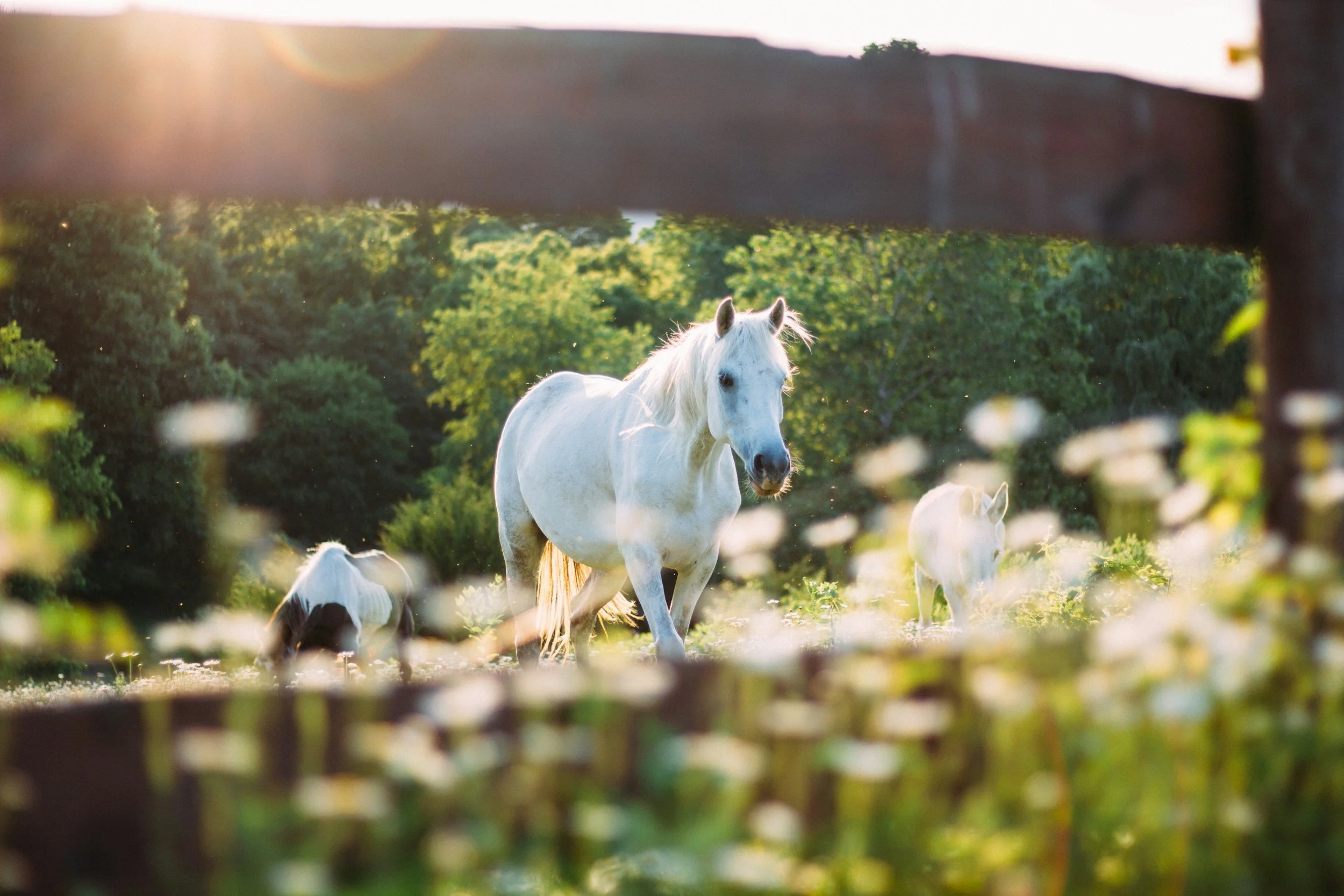
There are moments in therapy when words alone do not fully capture what someone is experiencing. Equine and animal assisted psychotherapy offers a different way of engaging in the therapeutic process — one that can support emotional regulation, connection, self-awareness, and healing through guided interactions with animals in a safe and supportive environment. Equine and animal assisted psychotherapy is integrated with evidence-informed psychotherapy approaches, including somatic and nervous system-informed practices, to support clients in working through trauma, anxiety, stress, relational difficulties, life transitions, chronic illness, and neurological conditions.
❋ Intentional Structure
Experiential, guided interactions with animals can deepen awareness of emotions, body cues, boundaries, and relational patterns.
❋ Evidence-Based Practice
Integrates equine and animal assisted psychotherapy with evidence-informed, trauma-aware, somatic, and nervous-system-focused therapeutic practices.
❋ Supportive Facilitation
Sessions are guided by a trained psychotherapist who thoughtfully supports emotional safety, reflection, regulation, and personal growth.
❋ A Nurturing Space
The calming outdoor farm setting offers space to slow down, regulate the nervous system, and reconnect with nature.

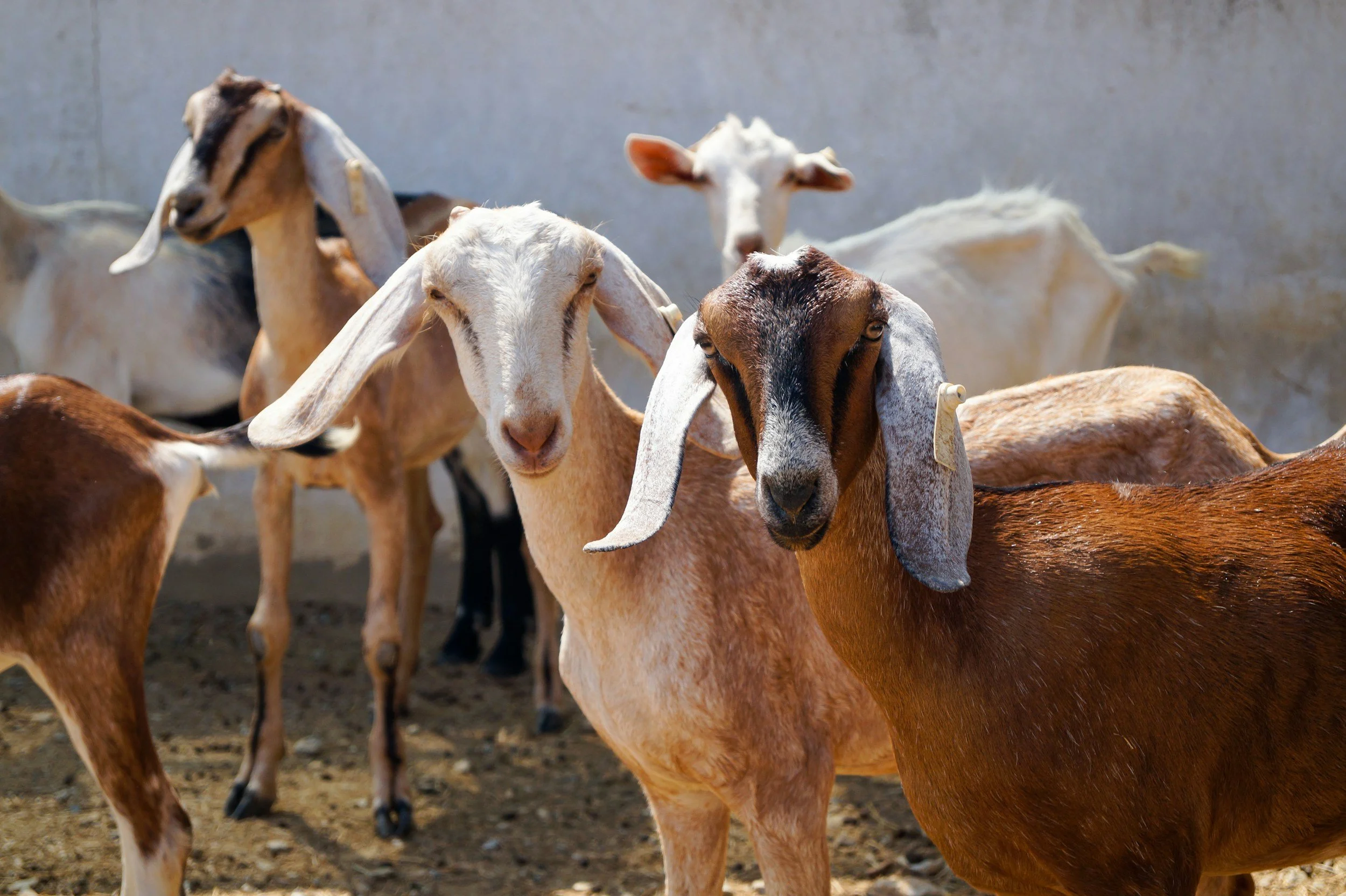

"Horses don't care who you are, what you've done, or what you believe. They care only about how you behave with them. This enables them to give unconditional acceptance..." — Tim Hayes

What Is Equine & Animal Assisted Psychotherapy?
Equine and animal assisted psychotherapy incorporates the presence and interaction of animals into the therapeutic process under the guidance of a trained psychotherapist. Sessions may involve horses and/or other therapy animals as part of experiential, body-based, and relational therapeutic work.
Unlike horseback riding lessons, the focus is not on learning riding skills or animal training. Instead, sessions are designed to explore emotional patterns, nervous system responses, boundaries, communication, attachment, self-trust, and connection in real time.
Animals can offer immediate, non-judgmental feedback and create opportunities for clients to:
Develop greater emotional awareness and foster emotional regulation skills
Build confidence and self-efficacy
Practice grounding and regulation skills
Explore relationship dynamics and boundaries
Strengthen mind-body connection
Experience co-regulation and felt safety
Process experiences in a more experiential and embodied way
Why Horses?
Horses are highly attuned animals that naturally respond to human body language, energy, and nervous system states. Because of this sensitivity, they can help clients notice patterns that may be difficult to access through conversation alone.
Working alongside horses can support:
Trauma recovery
Anxiety and stress management
Emotional regulation
Building trust and confidence
Developing assertiveness and healthy boundaries
Improving self-awareness and relational skills
Many clients also find the outdoor, nature-based setting grounding and calming, particularly if traditional office-based therapy feels overwhelming or limiting.
Who May Benefit?
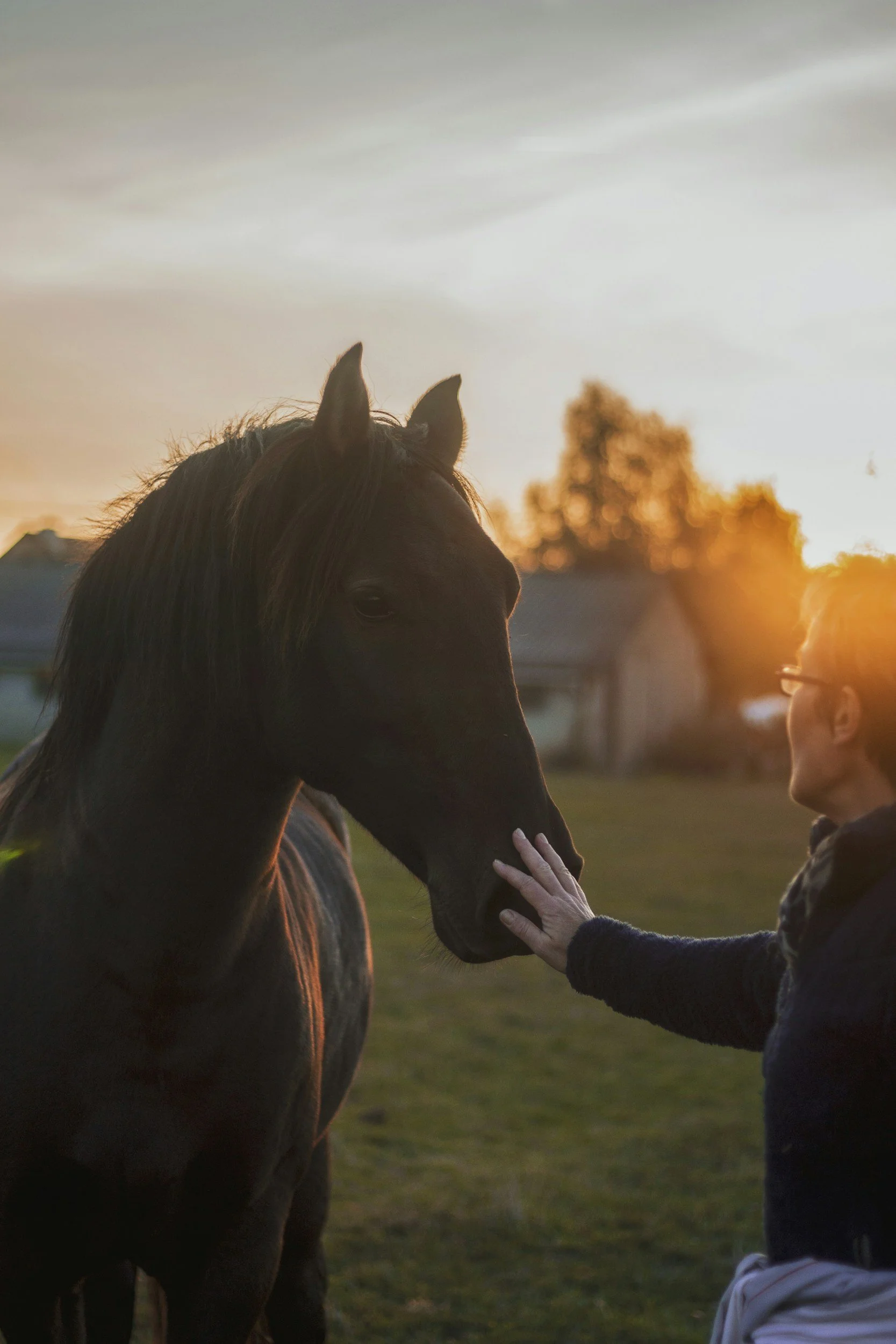
Equine and animal assisted psychotherapy may be beneficial for:
Individuals experiencing anxiety, burnout, or chronic stress
Client with neurological conditions (including Functional Neurological Disorder)
Trauma survivors
Neurodivergent individuals
Clients navigating grief, life transitions, or relationship challenges
Individuals who feel disconnected from their body or emotions
Clients who have struggled to connect with traditional talk therapy
No previous horse or animal experience is required.
What to Expect in a Session
Sessions are tailored to each client’s goals, comfort level, mobility restrictions, and therapeutic needs. Depending on the session, activities may include:
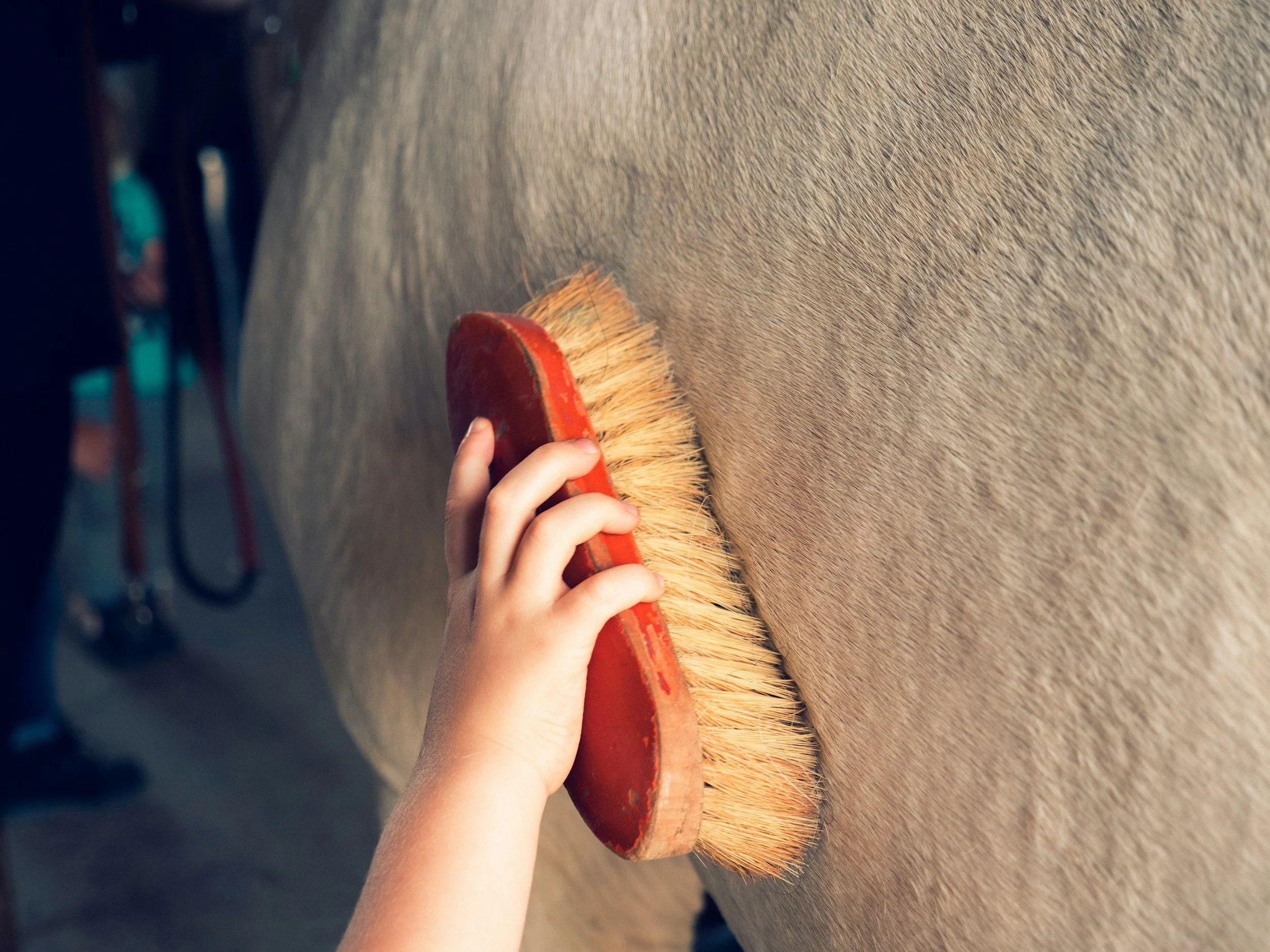
Ground-based interaction with horses or therapy animals
Guided mindfulness and somatic exercises
Observational and experiential activities
Reflection and processing with your therapist
Nervous system regulation and grounding practices
Sessions are collaborative, paced thoughtfully, and adapted to support emotional and physical needs.
Frequently Asked Questions
Do I need experience with horses?
No. Prior experience with horses or animals is not necessary.
What ages do you work with?
Currently I only work with teens (13+) and adults. I do not offer sessions with children at this time.
Is horseback riding involved?
Sessions are ground-based and psychotherapy-focused. No riding is incorporated.
Is this evidence-informed?
Animal assisted psychotherapy is increasingly being integrated alongside trauma-informed, somatic, attachment-based, and experiential therapeutic approaches. Many clients find it especially helpful for developing regulation, embodiment, and relational awareness.
What should I wear?
Comfortable clothing and closed-toe shoes are required, particularly for outdoor and barn environments.